The Secrets To A Great Kitchen Makeover: Why Some Kitchen Makeovers Go Well and Some Are Disasters
A successful kitchen makeover depends on thorough planning, realistic budgeting, and choosing the right professionals. According to the National Association of the Remodeling Industry (NARI), homeowners who invest in a structured design-build process experience significantly fewer cost overruns and timeline delays. The difference between a dream kitchen renovation and a costly disaster often comes down to pre-construction planning—defining the full scope of work, finalizing material selections, and confirming feasibility before demolition begins. This guide covers the essential factors that determine whether a kitchen makeover delivers lasting value or spirals into regret, including countertop materials, cabinet refacing, layout optimization, energy-efficient appliances, and how a design-build approach eliminates common contractor nightmares.
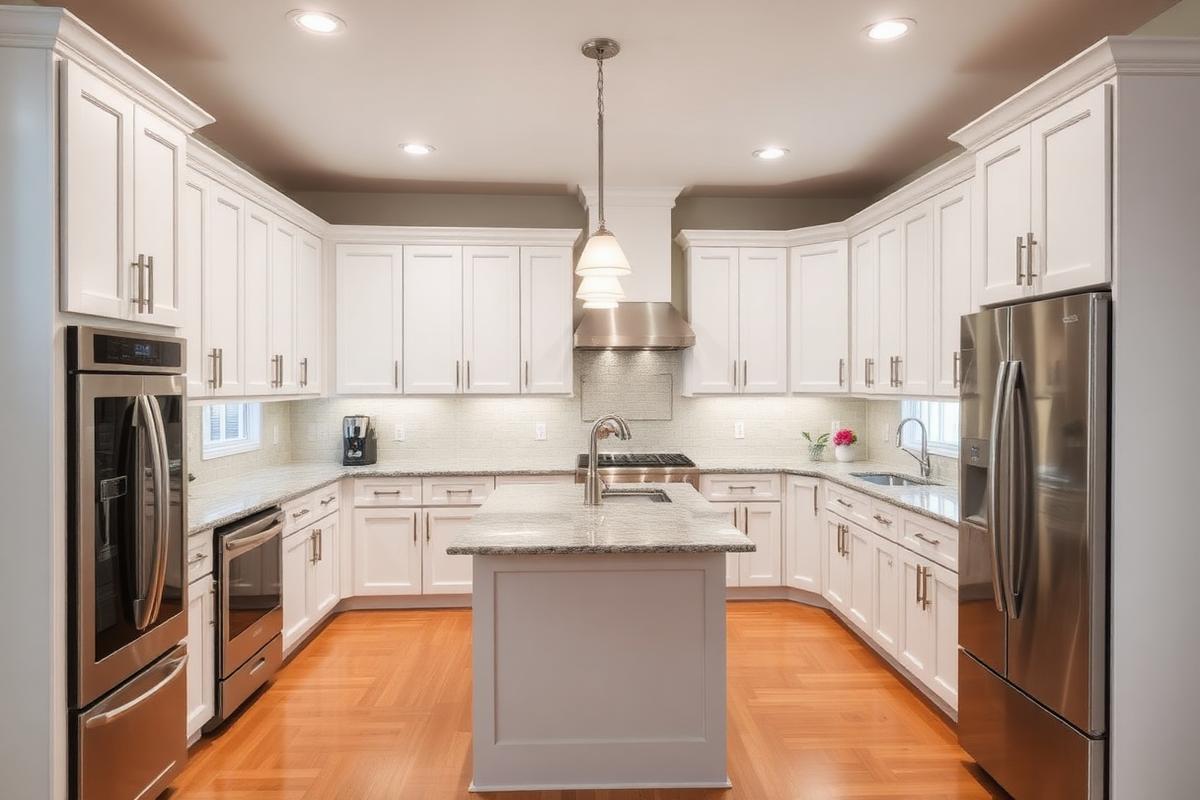
What Makes a Kitchen Makeover Succeed or Fail?
Every year, thousands of homeowners across the United States embark on a kitchen makeover, hoping to transform an outdated cooking space into a modern, functional heart of the home. Yet according to a 2023 Remodeling Magazine Cost vs. Value report, the average mid-range kitchen remodel costs approximately $77,939, while a major upscale renovation can exceed $154,000. With that level of financial commitment, the stakes are extraordinarily high—and the margin for error is razor-thin.
The fundamental difference between kitchen makeovers that deliver satisfaction and those that become nightmares lies in process, not just product. A stunning quartz countertop or a set of custom shaker cabinets means nothing if the underlying planning was flawed, the budget was built on guesswork, or the contractor disappeared mid-project. Kitchen renovation success is determined long before the first tile is laid.
Several critical factors separate a well-executed kitchen remodel from a disastrous one:
- Pre-construction planning — Completing feasibility assessments, material selections, and 3D design renderings before construction begins
- Realistic budgeting — Establishing a defined scope with fixed pricing rather than vague allowances or ballpark estimates
- Qualified professionals — Working with licensed, insured contractors who hold proper credentials (such as Arizona ROC# 313636)
- Material quality — Selecting durable countertop materials, quality cabinetry, and energy-efficient appliances that stand the test of time
- Clear communication — Maintaining structured updates, portal access, and documented scope throughout the project
The Design-Build Advantage in Kitchen Renovation
One of the most significant innovations in residential remodeling is the design-build model. Unlike traditional general contracting—where design and construction are handled by separate, often disconnected teams—a design-build firm integrates in-house designers, estimators, and construction professionals under one coordinated team. This eliminates the finger-pointing, re-engineering, and costly change orders that plague conventional kitchen makeovers.
The design-build approach to a kitchen renovation typically follows a structured three-phase process:
- Feasibility Assessment — Evaluating what is structurally, financially, and functionally realistic before design advances. This includes layout evaluation, plumbing and electrical assessment, and risk identification.
- Detailed Planning — Defining the complete scope of work with inclusion and exclusion clarity, trade coordination planning, construction sequencing, and disruption planning.
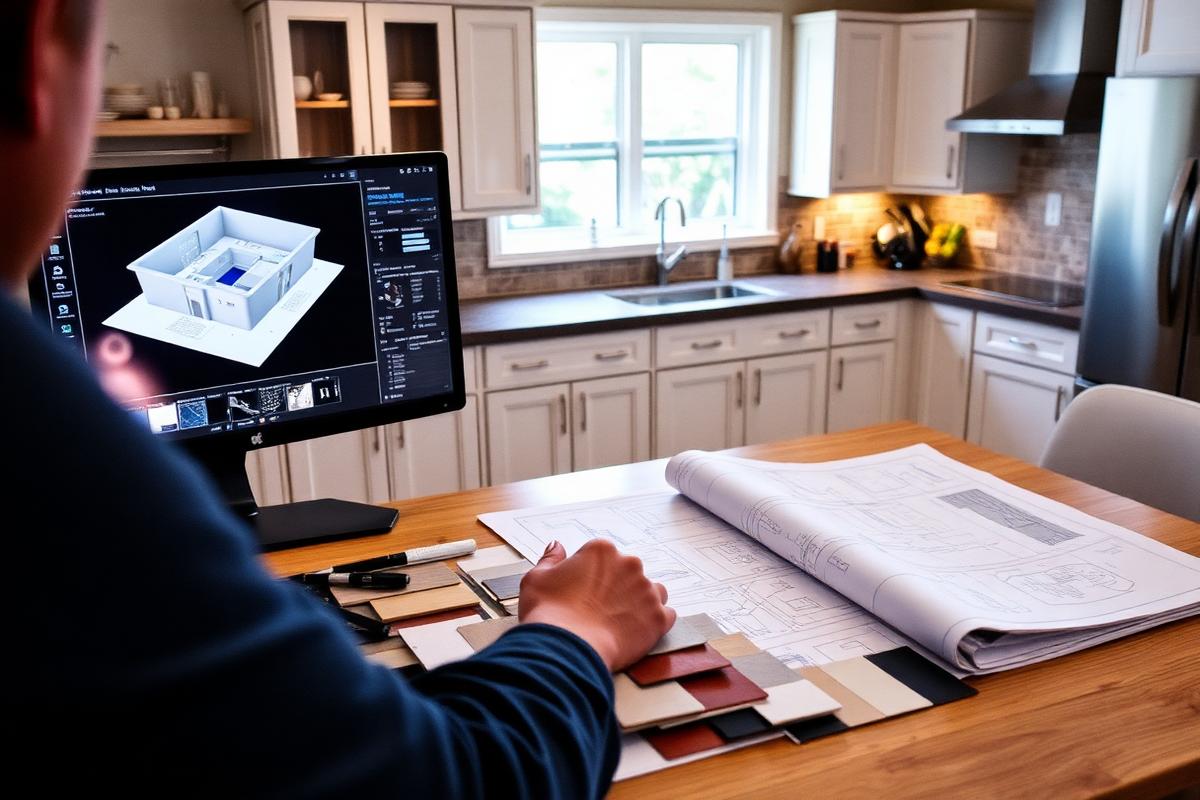
- Design and Selections — Collaborating with an in-house designer on material and finish selections, layout refinements, lighting and storage planning, and 3D renderings that allow homeowners to see the finished space before committing to construction.
According to the National Kitchen and Bath Association (NKBA), projects that complete full design before construction begins experience a change order rate of less than 5%. Companies that follow a planning-first process—completing feasibility, material selections, and 3D design before construction begins—report change order rates as low as 2.1%, dramatically reducing the risk of budget overruns.
Choosing the Right Countertop Materials for a Kitchen Makeover
Countertop selection is one of the most impactful decisions in any kitchen makeover. The surface material affects aesthetics, durability, maintenance requirements, and resale value. Understanding the pros and cons of each option helps ensure the final choice aligns with both lifestyle needs and long-term goals.
Quartz Countertops
Engineered quartz (manufactured by brands like Caesarstone, Silestone, and Cambria) has become the most popular countertop material for kitchen makeovers. Quartz is non-porous, highly durable, and requires no sealing. It resists stains, scratches, and bacterial growth, making it ideal for busy kitchens. However, quartz can be damaged by excessive heat and typically costs between $50 and $150 per square foot installed.
Granite Countertops
Natural granite remains a classic choice for kitchen renovations. Each slab is unique, offering one-of-a-kind patterns and colors. Granite is heat-resistant and extremely hard, but it requires periodic sealing to prevent staining. Pricing ranges from $40 to $200 per square foot depending on the rarity and origin of the stone.
Butcher Block and Laminate Options
For budget-conscious kitchen makeovers, butcher block countertops offer warmth and character at $40–$100 per square foot. Modern laminate surfaces from manufacturers like Formica and Wilsonart have improved dramatically, offering realistic stone and wood appearances at $10–$40 per square foot. While laminate is the most affordable option, it is less durable and can lower perceived home value compared to stone alternatives.
Cabinet Refacing vs. Full Cabinet Replacement
Cabinetry represents one of the largest cost factors in a kitchen remodel. According to a 2024 HomeAdvisor report, cabinets can account for 30% to 50% of the total kitchen renovation budget. Homeowners typically face a choice between cabinet refacing and full replacement—each with distinct advantages and limitations.
Cabinet refacing involves replacing the cabinet doors and drawer fronts while retaining the existing cabinet boxes. Veneers or laminates are applied to visible surfaces to create a fresh appearance. Refacing typically costs 40% to 60% less than full replacement and can be completed in less time. However, refacing does not address layout problems, damaged interiors, or the desire for soft-close hardware and modern organizational features.
Full cabinet replacement provides the opportunity to reconfigure the kitchen layout entirely, upgrade to premium features like soft-close drawers, pull-out shelving, and custom organizers, and select from a wider range of wood species and finishes. Quality cabinet lines from manufacturers like KraftMaid, Wellborn, and Fabuwood offer semi-custom and custom options that significantly enhance both function and aesthetics.
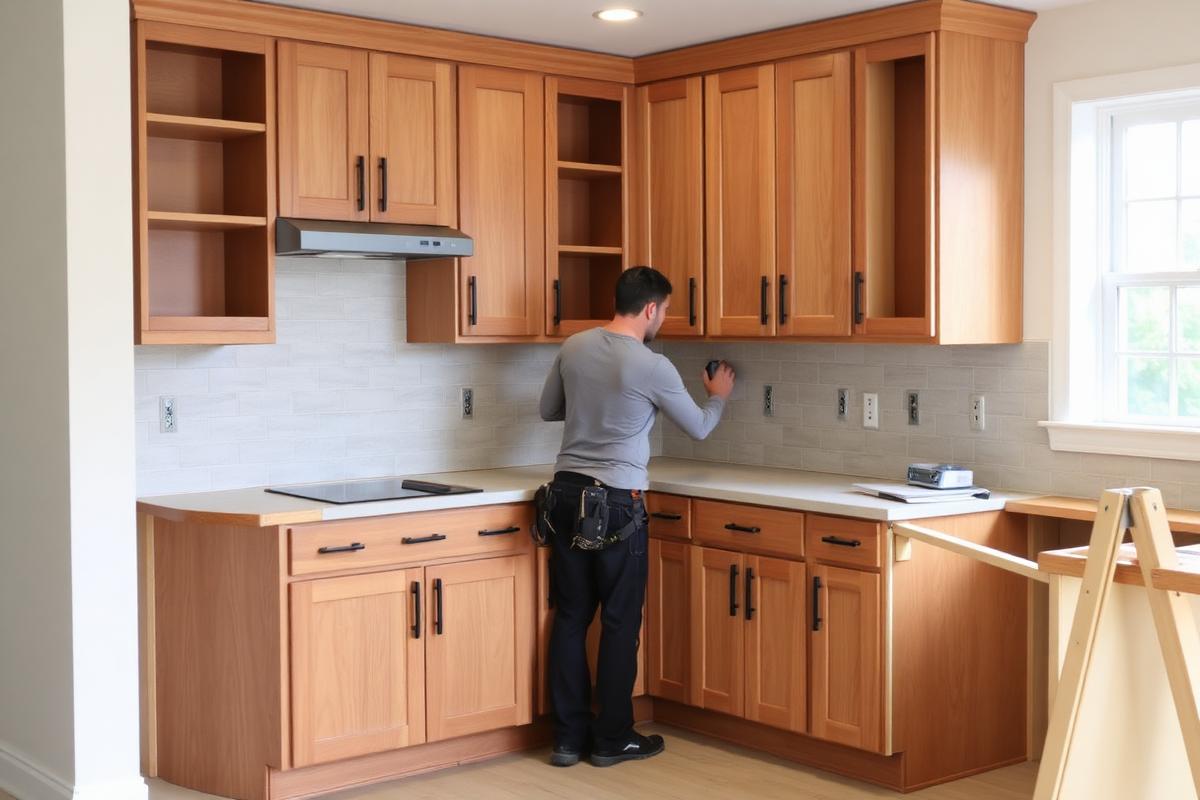
When deciding between refacing and replacement, the overall condition of existing cabinets, the desire for a new layout, and the total kitchen makeover budget should all be carefully weighed. A design-build firm that provides fixed construction pricing only after full planning and design are finalized helps homeowners make this decision with confidence rather than guesswork.
Energy-Efficient Appliances and Smart Kitchen Technology
Modern kitchen makeovers increasingly incorporate energy-efficient appliances that reduce utility costs while improving cooking performance. ENERGY STAR-certified refrigerators, dishwashers, and ranges can save hundreds of dollars annually in energy costs. According to the U.S. Department of Energy, an ENERGY STAR refrigerator uses approximately 9% less energy than a standard model meeting federal minimum standards.
Smart kitchen technology has also become a significant consideration during kitchen renovations. Wi-Fi-enabled ovens, touchless faucets, voice-activated lighting, and smart refrigerators with interior cameras are no longer luxury additions—they are rapidly becoming standard expectations. Brands like Samsung, LG, GE Profile, and Bosch offer extensive smart appliance lines that integrate with home automation systems.
Selecting the right appliance tier is a critical planning step. The cost difference between a standard appliance package ($3,000–$5,000) and a high-end suite ($10,000–$25,000+) can shift the entire kitchen makeover budget significantly. Working with a professional who coordinates appliance selection during the design phase—rather than as an afterthought—helps prevent costly surprises.
Kitchen Layout Optimization: The Work Triangle and Beyond
The classic kitchen work triangle—connecting the sink, stove, and refrigerator—has guided kitchen design for decades. However, modern kitchen makeovers increasingly move beyond this traditional concept to embrace zone-based design, which organizes the kitchen into distinct functional areas: prep zones, cooking zones, cleaning zones, and storage zones.
Proper layout optimization during a kitchen renovation can eliminate daily frustrations like insufficient counter space, awkward traffic flow, and poorly placed outlets. Common layout configurations include galley kitchens, L-shaped kitchens, U-shaped kitchens, and island kitchens—each with unique advantages depending on the available square footage and the homeowner's cooking habits.
Knowing when to start a kitchen remodel is just as important as knowing how. Timing the project around personal schedules, seasonal contractor availability, and material lead times can make or break the experience. For a detailed breakdown on identifying the right time to begin a kitchen renovation, this comprehensive guide on when to remodel a kitchen provides actionable insights and timelines that align with real-world planning needs.
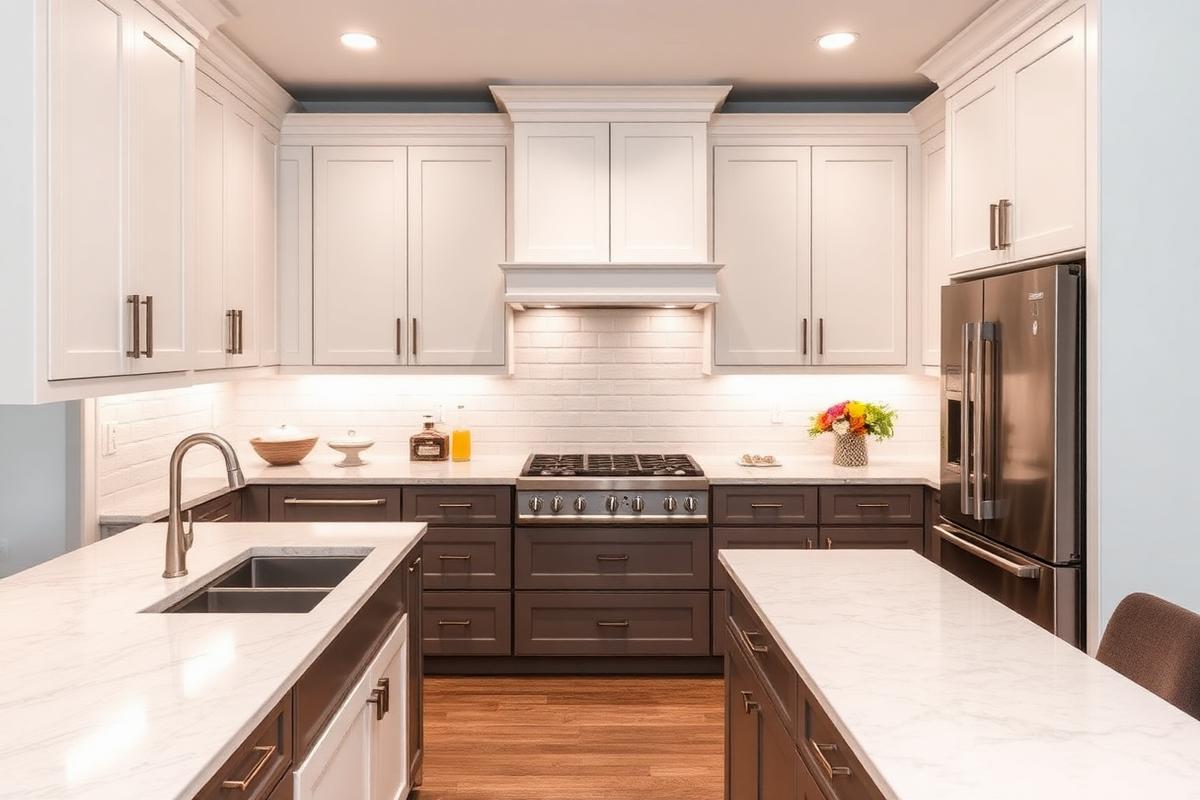
Common Kitchen Makeover Mistakes That Lead to Disaster
Understanding why kitchen makeovers fail is just as valuable as knowing what makes them succeed. The most frequent mistakes fall into predictable categories:
1. Starting Construction Without a Complete Plan
Many basic general contractors provide ballpark numbers, use rough allowances, and adjust pricing after demolition. This approach virtually guarantees cost overruns and timeline delays. A planning-first process that completes design and scope before construction begins eliminates this risk.
2. Underestimating the Budget
The average kitchen makeover costs significantly more than most homeowners initially expect. Failing to account for plumbing upgrades, electrical work, structural modifications, and material lead times creates a cascade of unpleasant surprises. A realistic budget built on a defined scope—not guesswork—is essential.
3. Choosing the Cheapest Contractor
Contractors have the second most consumer complaints in the United States, only after used car dealerships. When factoring the number of contractor transactions compared to auto dealership transactions, contractors actually have the most complaints per transaction in the entire country. Selecting a contractor based solely on the lowest bid—without verifying licensing, insurance, and a proven design-build process—is one of the most common paths to a kitchen makeover disaster.
4. Ignoring the Backsplash and Lighting
Two of the most overlooked elements in a kitchen renovation are the backsplash tile and lighting design. A well-chosen subway tile, mosaic, or natural stone backsplash can tie the entire design together. Similarly, layered lighting—combining recessed cans, pendant fixtures over the island, and under-cabinet task lighting—transforms both the functionality and ambiance of the space.
5. Not Planning for Disruption
A kitchen makeover means living without a fully functional kitchen for weeks. Failing to plan for meal preparation, dust control, and daily routines during construction creates unnecessary stress. Professional remodeling firms include disruption planning as a standard part of the pre-construction process.
Kitchen Makeover Costs: What to Realistically Expect
Understanding the true cost of a kitchen makeover prevents budget shock and helps homeowners make informed decisions. Based on industry data and regional pricing for the Phoenix, Arizona metro area:
- Small kitchen remodel: $40,000–$55,000 — Includes new cabinets, countertops, backsplash, appliances, and lighting. Timeline: 4–7 weeks.
- Average-size kitchen remodel: $50,000–$75,000 — Full renovation with quality cabinets, countertops, and premium appliances. Timeline: 5–7 weeks.
- Large or high-end kitchen remodel: $75,000–$100,000+ — Custom cabinets, luxury materials, high-end appliances, and potential layout changes. Timeline: 5–7 weeks.
Key factors affecting kitchen remodel cost include cabinetry quality (the single largest variable), room size, layout changes, appliance tier, countertop materials, and specialty features like pot fillers, wine refrigerators, or integrated coffee stations.
Homeowners exploring kitchen renovation timelines and budget planning will find valuable decision-making frameworks at https://phxhomeremodeling.weebly.com/blog/a-comprehensive-guide-for-when-to-remodel-your-kitchen, which covers seasonal considerations, material lead times, and how to align a remodel with personal and financial readiness.
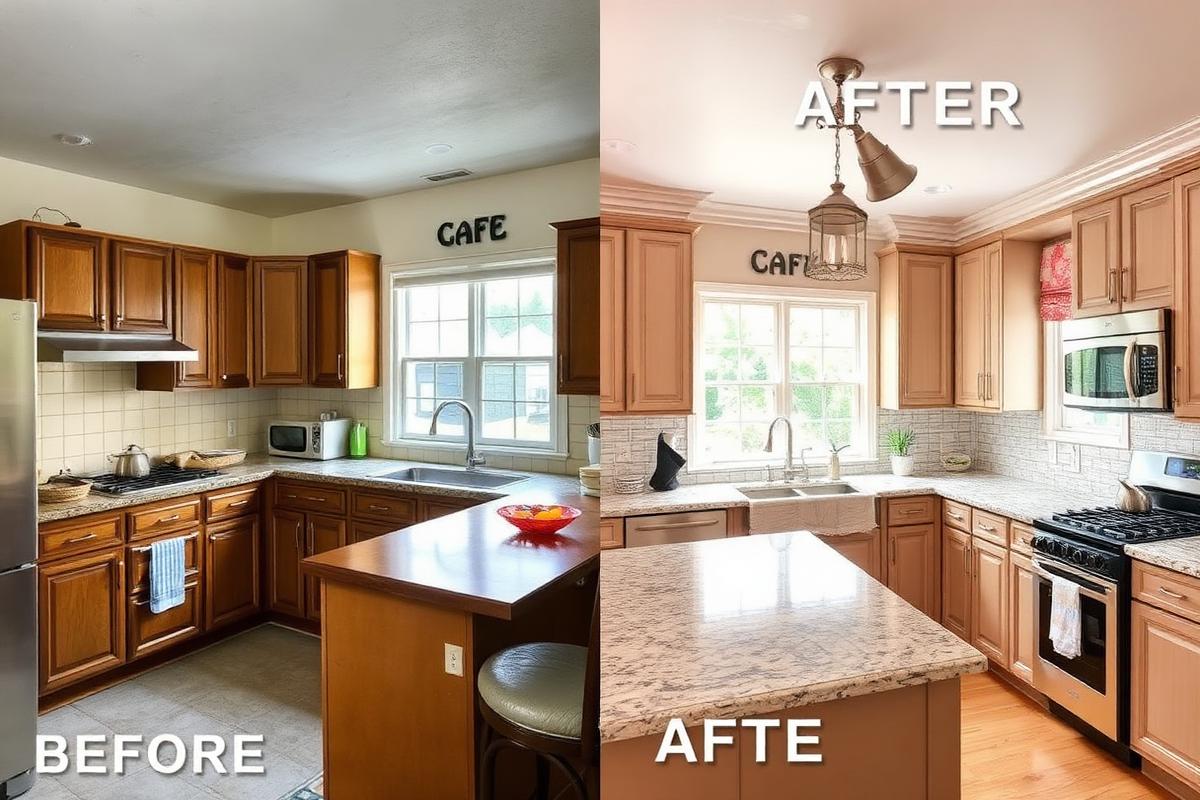
Pros and Cons of a Full Kitchen Makeover
Advantages
- Increases property value — According to the 2023 Remodeling Magazine report, a mid-range kitchen remodel recoups approximately 75% of its cost at resale
- Improves daily functionality and workflow efficiency
- Upgrades safety with modern electrical, plumbing, and ventilation systems
- Allows integration of energy-efficient appliances that reduce long-term utility costs
- Provides the opportunity to address aging-in-place needs such as lower countertop heights, pull-out shelving, and anti-slip flooring
- Creates a personalized space that reflects current design preferences and lifestyle needs
Potential Challenges
- Significant financial investment that requires careful budgeting and planning
- Temporary loss of kitchen functionality during construction (typically 4–7 weeks)
- Risk of cost overruns if the project lacks a defined scope and fixed pricing
- Material lead times—custom cabinets, imported tile, and specialty countertops can take 4–12 weeks to arrive
- Emotional stress from living in a construction zone without proper disruption planning
Frequently Asked Questions About Kitchen Makeovers
How long does a typical kitchen makeover take?
A typical kitchen makeover takes between 4 and 7 weeks for construction, depending on the scope, size, and complexity of the project. However, the pre-construction planning and design phase—including feasibility assessment, material selections, and 3D renderings—can add an additional 4 to 8 weeks before construction begins. This planning phase is critical for avoiding delays during the build.
What is the most expensive part of a kitchen makeover?
Cabinetry is typically the most expensive component of a kitchen makeover, accounting for 30% to 50% of the total budget. Countertop materials, appliances, and labor costs for plumbing and electrical work represent the next largest cost categories. Choosing quality cabinet options and finalizing all selections before construction begins helps prevent unexpected price increases.
Is cabinet refacing worth the investment compared to full replacement?
Cabinet refacing is worth considering when existing cabinet boxes are in good structural condition and the current layout functions well. Refacing costs 40% to 60% less than full replacement. However, if a layout change is desired or the cabinets have interior damage, full replacement provides a better long-term return and more design flexibility.
What kitchen makeover mistakes should be avoided?
The most critical mistakes to avoid include starting construction without a finalized design, choosing a contractor based solely on the lowest bid, underestimating the total budget, neglecting lighting and backsplash design, and failing to plan for kitchen downtime during the renovation. Working with a design-build firm that provides fixed pricing after full planning dramatically reduces these risks.
How much does a kitchen makeover increase home value?
According to Remodeling Magazine's 2023 Cost vs. Value report, a mid-range kitchen remodel recoups approximately 75% of its cost at resale, while minor kitchen makeovers can recoup up to 85%. The exact return depends on the local real estate market, the quality of materials and workmanship, and how well the renovation aligns with neighborhood standards.
Conclusion: Planning Is the True Secret to a Successful Kitchen Makeover
The difference between a kitchen makeover that delivers lasting satisfaction and one that becomes a cautionary tale almost always comes down to planning. Homeowners who invest in a structured design-build process—completing feasibility assessment, detailed planning, material selections, and 3D design renderings before construction begins—consistently achieve better outcomes, fewer surprises, and greater confidence throughout the renovation journey.
A great kitchen makeover is not about spending the most money or choosing the trendiest backsplash tile. It is about working with qualified professionals who provide a defined scope, fixed pricing after full design, and clear communication from start to finish. It is about seeing the finished kitchen in 3D before a single cabinet is removed. It is about knowing the exact price before construction begins—not discovering it through change orders and surprises.
Whether the goal is a modest refresh with cabinet refacing and new countertops or a full-scale luxury kitchen renovation with custom cabinetry, quartz surfaces, and smart appliances, the path to success follows the same principles: plan thoroughly, budget realistically, choose a contractor with a proven process and proper licensing (such as Arizona ROC# 313636), and never begin construction without a complete design. Those who follow this approach transform kitchens—and avoid the disasters that give the remodeling industry its reputation. For additional guidance on timing a kitchen remodel for maximum success, check out expert tips here.